Low-Alloyed Steel for Cold Heading Wire Rods

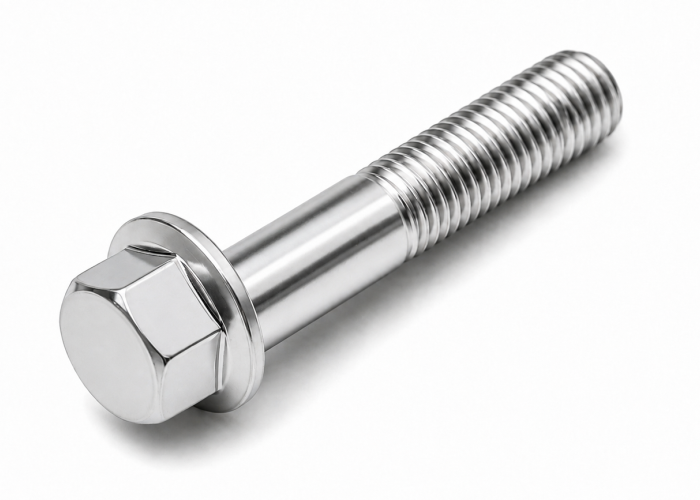
Cold forging, also known as cold volume forming, is a manufacturing process and a processing method. It is basically the same as the cold stamping process. The cold forging process is also composed of three elements: materials, molds and equipment. Only the materials in the stamping process are mainly sheets, and the materials in the cold forging process are mainly discs or wires. Japan (JIS) call between cold forging (referred to as cold forging) Chinese (GB) called cold heading, some of the screwdriver plant is also known as love starts

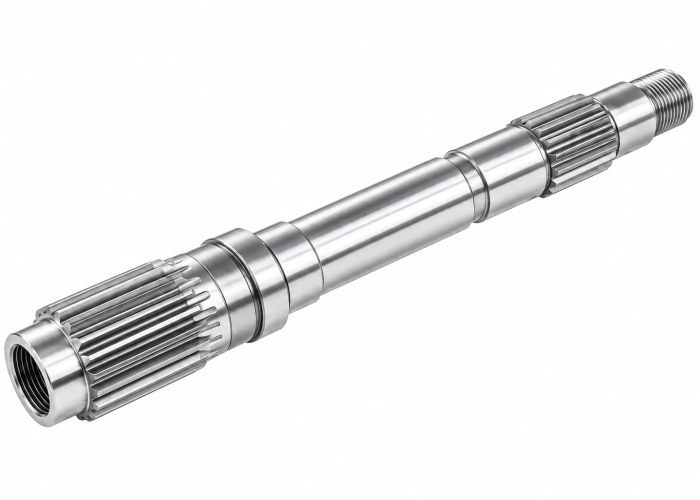
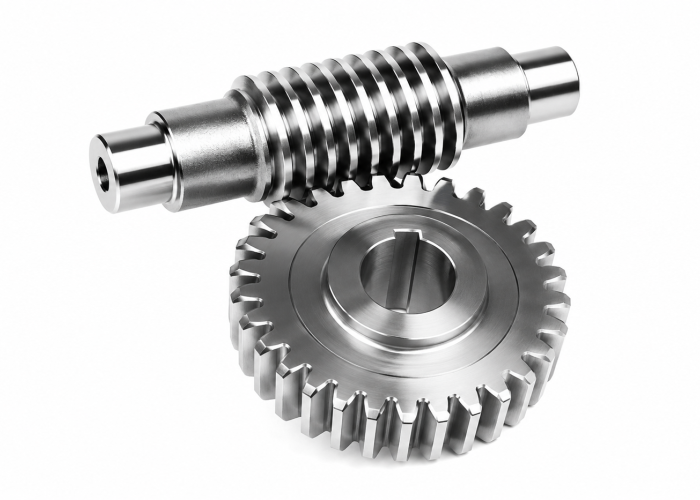
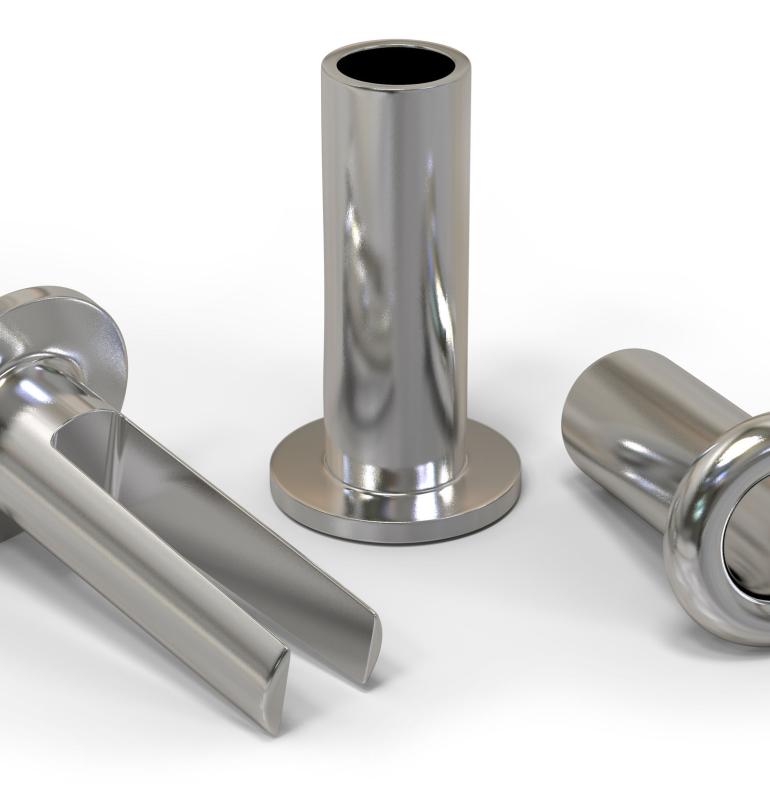
The shape of cold forged parts is becoming more and more complex, from the initial stepped shafts, screws, screws, nuts and conduits to parts with complex shapes. The typical process of the spline shaft is: positively pressing the rod part--the middle part of the upset--squeeze spline; the main process of the spline sleeve is: back-extruding the cup-shaped part--making the ring-shaped part-- - The sleeve is being squeezed. The cold extrusion technology of cylindrical gears has also been successfully used in production. In addition to ferrous metals, cold extrusion of copper alloys, magnesium alloys and aluminum alloy materials is becoming more widespread.
Product Applications

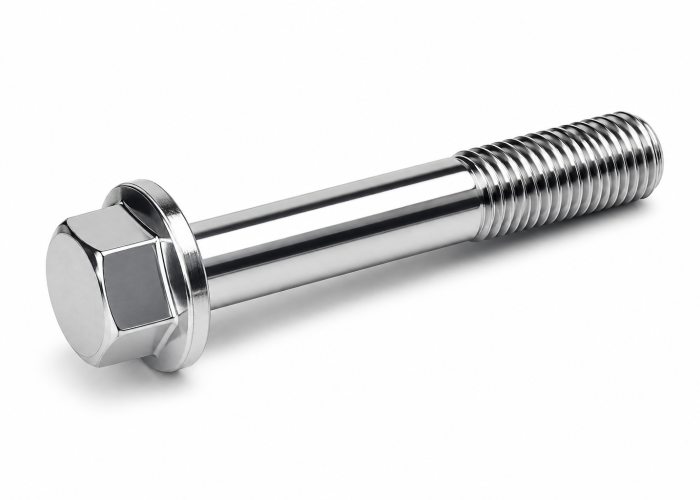
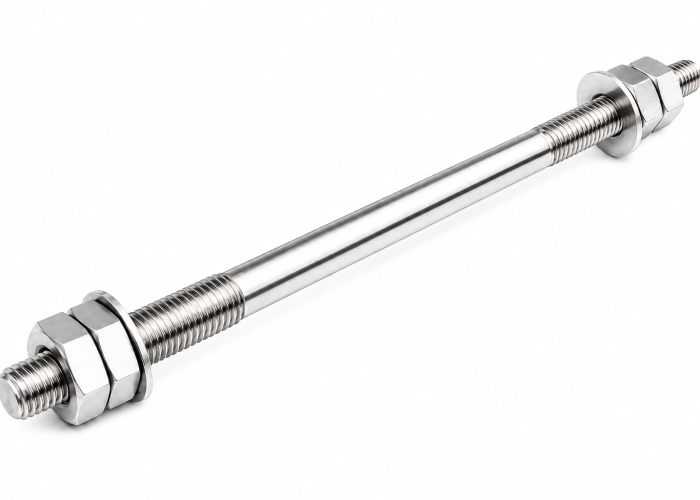
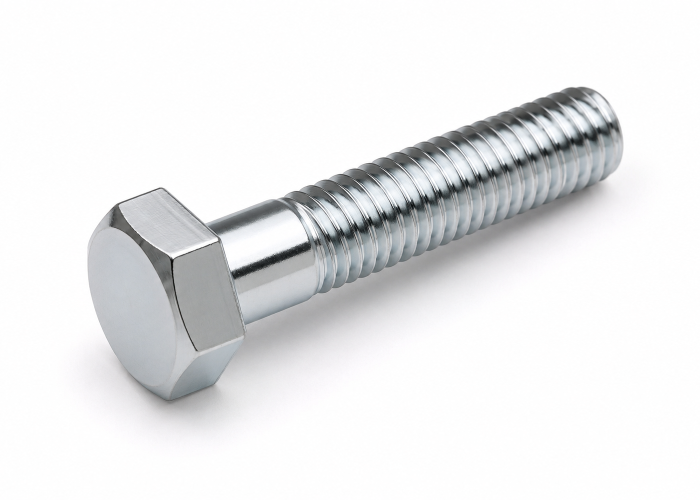
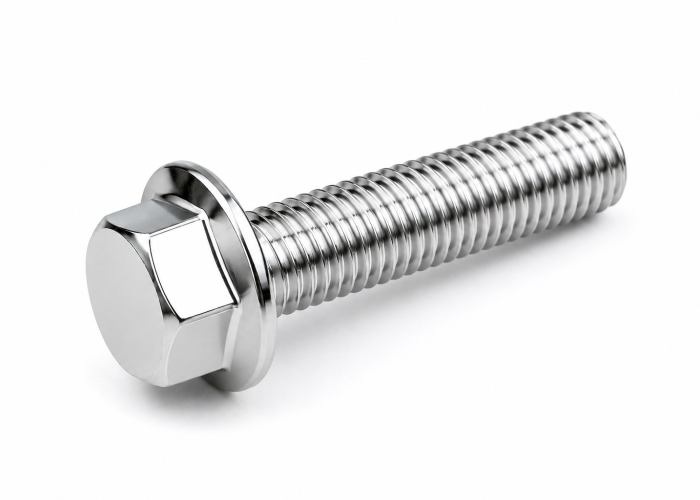
Low-alloy steels for cold forging deliver exceptional fabrication plasticity alongside maximum material utilization. Once formed and heat-treated, they achieve premium strength, making them the premier choice for manufacturing critical components across diverse industries. Applications ▪ Automotive & Motorcycle Engineering: Widely engineered for critical safety-related components, including engine connecting rod bolts, drive shafts, and differential gears. ▪ Standard Fasteners: Covers a comprehensive range of nuts, pins, and ultra-high-strength bolts with property classes up to 14T. ▪ Civil Engineering & Construction: Ideal for structural connection components and high-load architectural joints. ▪ Green Energy & Wind Power: Extensively applied in wind turbine foundation fasteners and heavy-duty anchor systems. ▪ Industrial Heavy Machinery: Well-suited for critical components in heavy equipment and rugged machinery parts. ▪ High-Torque Pneumatic Hand Tools: Specifically chosen for tool components subjected to high-frequency and severe cyclical operations.

DS / DL / EC Softened Cold Heading Wire Rod

Characteristics ▪ Utilizes in-line specialized heat treat

MORE
High-strength Non-quenched and Tempered Wire Rod

Characteristics ▪ Achieves high strength through speciali

MORE
Cold-forging Case-hardening Steel

Characteristics ▪ Achieves exceptional cold forgeability

MORE
High-strength Delayed-fracture-resistant Steel

Characteristics ▪ Features a proprietary chemical composi

MORE
Graphitic Steel for Cold Forging

Characteristics ▪ Precipitates carbon within the steel in

MORE
High-strength Steel for Wind Power Applications

Characteristics ▪ Belongs to the chromium-molybdenum low-

MORE
Boron-alloyed Cold Heading Steel

Characteristics ▪ Reduces the content of carbon and other

MORE

Steel data

Standard Code Spec No. Material No. Mark
JIS G3509-1 SMn420RCH
JIS G3509-1 SMn420HRCH
JIS G3509-1 SMnC420RCH
JIS G3509-1 SCr415RCH
JIS G3509-1 SCr415HRCH
JIS G3509-1 SCr420RCH
JIS G3509-1 SCr420HRCH
JIS G3509-1 SCr430RCH
JIS G3509-1 SCr430HRCH
JIS G3509-1 SCr435RCH
JIS G3509-1 SCr435HRCH
JIS G3509-1 SCr440RCH
JIS G3509-1 SCr440HRCH
JIS G3509-1 SCM415RCH
JIS G3509-1 SCM415HRCH
JIS G3509-1 SCM420RCH
JIS G3509-1 SCM420HRCH
JIS G3509-1 SCM430RCH
JIS G3509-1 SCM435RCH
JIS G3509-1 SCM435HRCH
JIS G3509-1 SCM440RCH
JIS G3509-1 SCM440HRCH
JIS G3509-1 SCM822RCH
JIS G3509-1 SCM822HRCH
JIS G3509-1 SNC415RCH
JIS G3509-1 SNC415HRCH
JIS G3509-1 SNC631RCH
JIS G3509-1 SNC631HRCH
JIS G3509-1 SNC815RCH
JIS G3509-1 SNC815HRCH
(C)% (Si)% (Mn)% (P)% (S)% (Ni)% (Cr)% (Mo)% Remarks
0.17~0.23 0.15~0.35 1.2~1.5 ≦ 0.03 ≦ 0.03 ≦ 0.25 ≦ 0.35 不純物Cu不得超出0.3%
0.16~0.23 0.15~0.35 1.15~1.55 ≦ 0.03 ≦ 0.03 ≦ 0.25 ≦ 0.35 不純物Cu不得超出0.3%
0.17~0.23 0.15~0.35 1.2~1.5 ≦ 0.03 ≦ 0.03 ≦ 0.25 0.35~0.7 不純物Cu不得超出0.3%
0.13~0.18 0.15~0.35 0.6~0.9 ≦ 0.03 ≦ 0.03 ≦ 0.25 0.9~1.2 不純物Cu不得超出0.3%
0.12~0.18 0.15~0.35 0.55~0.95 ≦ 0.03 ≦ 0.03 ≦ 0.25 0.85~1.25 不純物Cu不得超出0.3%
0.18~0.23 0.15~0.35 0.6~0.9 ≦ 0.03 ≦ 0.03 ≦ 0.25 0.9~1.2 不純物Cu不得超出0.3%
0.17~0.23 0.15~0.35 0.55~0.95 ≦ 0.03 ≦ 0.03 ≦ 0.25 0.85~1.25 不純物Cu不得超出0.3%
0.28~0.33 0.15~0.35 0.6~0.9 ≦ 0.03 ≦ 0.03 ≦ 0.25 0.9~1.2 不純物Cu不得超出0.3%
0.27~0.34 0.15~0.35 0.55~0.95 ≦ 0.03 ≦ 0.03 ≦ 0.25 0.85~1.25 不純物Cu不得超出0.3%
0.33~0.38 0.15~0.35 0.6~0.9 ≦ 0.03 ≦ 0.03 ≦ 0.25 0.9~1.2 不純物Cu不得超出0.3%
0.32~0.39 0.15~0.35 0.55~0.95 ≦ 0.03 ≦ 0.03 ≦ 0.25 0.85~1.25 不純物Cu不得超出0.3%
0.38~0.43 0.15~0.35 0.6~0.9 ≦ 0.03 ≦ 0.03 ≦ 0.25 0.9~1.2 不純物Cu不得超出0.3%
0.37~0.44 0.15~0.35 0.55~0.95 ≦ 0.03 ≦ 0.03 ≦ 0.25 0.85~1.25 不純物Cu不得超出0.3%
0.13~0.18 0.15~0.35 0.6~0.9 ≦ 0.03 ≦ 0.03 ≦ 0.25 0.9~1.2 0.15~0.25 不純物Cu不得超出0.3%
0.12~0.18 0.15~0.35 0.55~0.95 ≦ 0.03 ≦ 0.03 ≦ 0.25 0.85~1.25 0.15~0.3 不純物Cu不得超出0.3%
0.18~0.23 0.15~0.35 0.6~0.9 ≦ 0.03 ≦ 0.03 ≦ 0.25 0.9~1.2 0.15~0.25 不純物Cu不得超出0.3%
0.17~0.23 0.15~0.35 0.55~0.95 ≦ 0.03 ≦ 0.03 ≦ 0.25 0.85~1.25 0.15~0.3 不純物Cu不得超出0.3%
0.28~0.33 0.15~0.35 0.6~0.9 ≦ 0.03 ≦ 0.03 ≦ 0.25 0.9~1.2 0.15~0.3 不純物Cu不得超出0.3%
0.33~0.38 0.15~0.35 0.6~0.9 ≦ 0.03 ≦ 0.03 ≦ 0.25 0.9~1.2 0.15~0.3 不純物Cu不得超出0.3%
0.32~0.39 0.15~0.35 0.55~0.95 ≦ 0.03 ≦ 0.03 ≦ 0.25 0.85~1.25 0.15~0.35 不純物Cu不得超出0.3%
0.38~0.43 0.15~0.35 0.6~0.9 ≦ 0.03 ≦ 0.03 ≦ 0.25 0.9~1.2 0.15~0.3 不純物Cu不得超出0.3%
0.37~0.44 0.15~0.35 0.55~0.95 ≦ 0.03 ≦ 0.03 ≦ 0.25 0.85~1.25 0.15~0.35 不純物Cu不得超出0.3%
0.2~0.25 0.15~0.35 0.6~0.9 ≦ 0.03 ≦ 0.03 ≦ 0.25 0.9~1.2 0.35~0.45 不純物Cu不得超出0.3%
0.19~0.25 0.15~0.35 0.55~0.95 ≦ 0.03 ≦ 0.03 ≦ 0.25 0.85~1.25 0.35~0.45 不純物Cu不得超出0.3%
0.12~0.18 0.15~0.35 0.35~0.65 ≦ 0.03 ≦ 0.03 2~2.5 0.2~0.5 不純物Cu不得超出0.3%
0.11~0.18 0.15~0.35 0.3~0.7 ≦ 0.03 ≦ 0.03 1.95~2.5 0.2~0.55 不純物Cu不得超出0.3%
0.27~0.35 0.15~0.35 0.35~0.65 ≦ 0.03 ≦ 0.03 2.5~3 0.6~1 不純物Cu不得超出0.3%
0.26~0.35 0.15~0.35 0.3~0.7 ≦ 0.03 ≦ 0.03 2.45~3 0.55~1.05 不純物Cu不得超出0.3%
0.12~0.18 0.15~0.35 0.35~0.65 ≦ 0.03 ≦ 0.03 3~3.5 0.6~1 不純物Cu不得超出0.3%
0.11~0.18 0.15~0.35 0.3~0.7 ≦ 0.03 ≦ 0.03 2.95~3.5 0.55~1.05 不純物Cu不得超出0.3%