Low alloy steel
Low alloy steel is a special type of steel made by precisely adding alloying elements such as chromium, molybdenum, vanadium, and tungsten to carbon steel. These elements can greatly improve the overall mechanical properties of the metals, giving them excellent tensile strength and high toughness, making them highly resistant to spalling or fracturing when subjected to strong impact. In addition, certain grades exhibit excellent high-temperature resistance and creep resistance, making them indispensable high-performance base materials in modern precision machining.
Surface Hardening and Nitriding:
Low-alloy steels, such as Hykro, can be nitrided to further improve surface hardness and wear resistance in specific areas of components, such as disc ends or contact surfaces.
Good Weldability:
Low-alloy steels with relatively low carbon content, approximately 0.1% to 0.3%, generally offer good weldability. This allows riveted structures to be replaced by welded structures in industrial applications and helps the components withstand thermal expansion and contraction caused by temperature changes.
Limitations in High-Temperature Oxidation Resistance:
Although certain low-alloy steels offer creep resistance, early low-alloy steels containing elements such as molybdenum, vanadium, and tungsten are generally limited to applications below approximately 400°C when long-term oxidation resistance is required. To exceed this temperature range, materials such as 12% Cr martensitic steels or stainless steels are typically required.
Potential for High-Precision Machining:
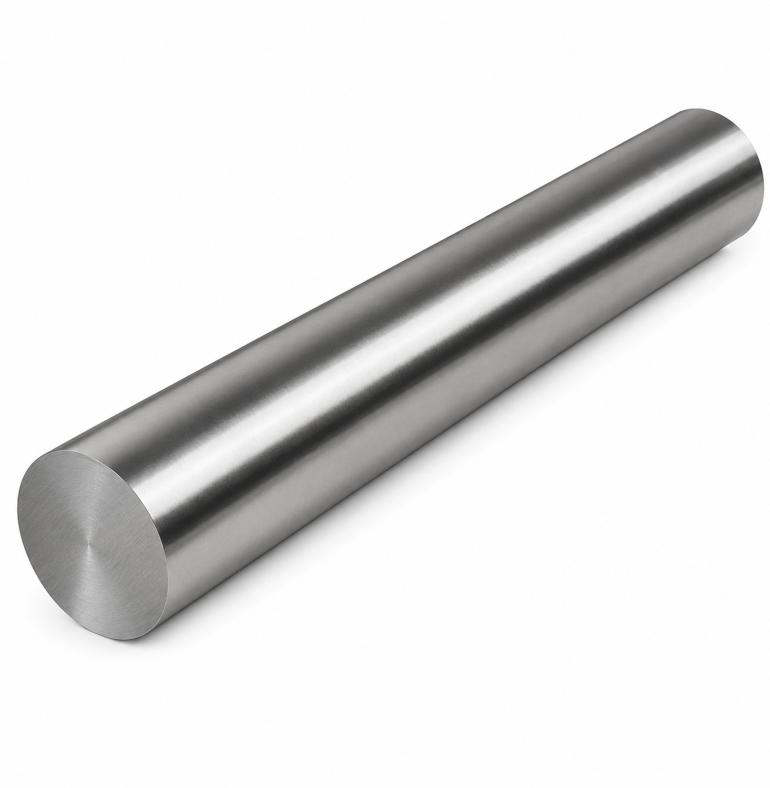
When low-alloy steels, such as cold-drawn steel bars, are supplied by modern steel mills under strict process control, they can achieve precise dimensional tolerance grades, such as h8 or h9, ensuring accuracy and consistency in machining dimensions.