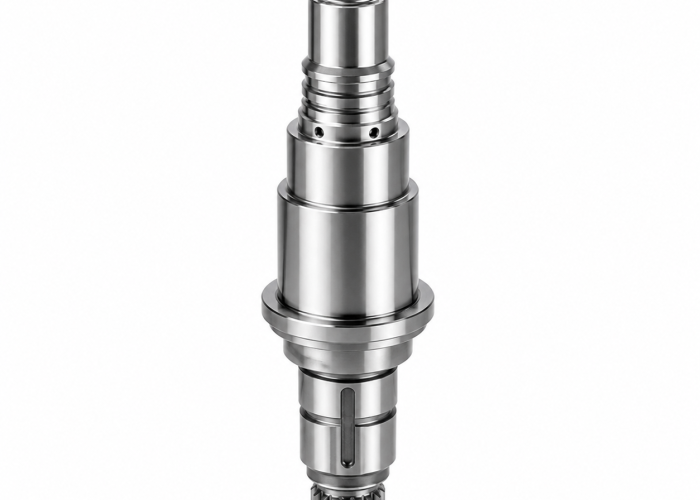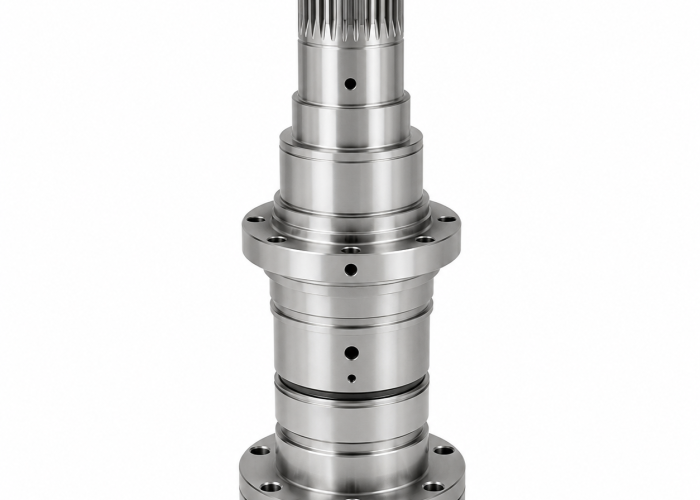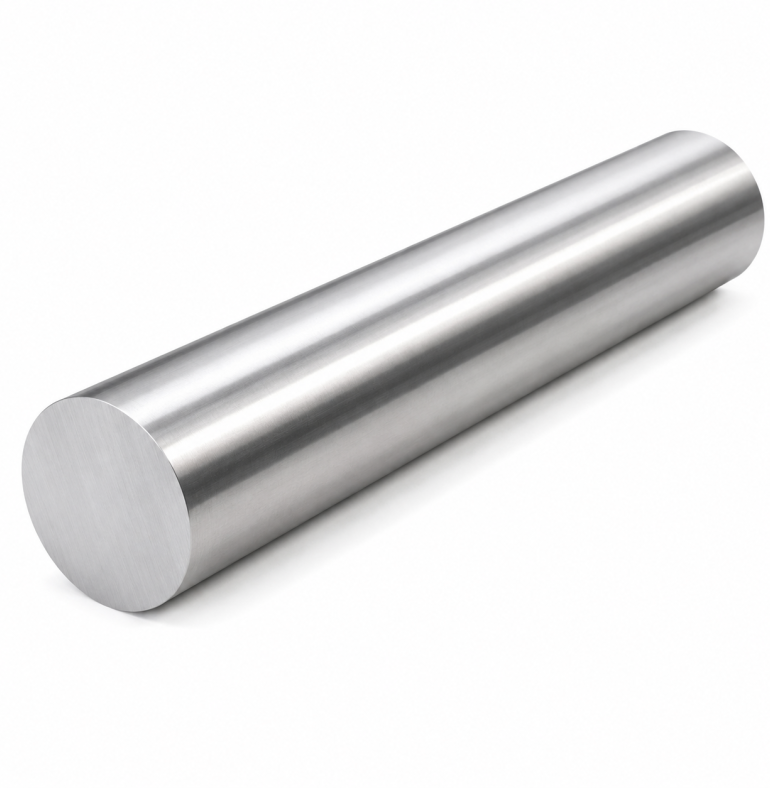
Maraging steel
Maraging steel is a low-carbon, high nickel ultra high strength steel, characterized by its ability to achieve high strength, toughness, and dimensional stability after martensitic and aging treatments. It does not rely on high carbon to harden, but on the precipitation strengthening of alloy elements, so it is common in high load, precision parts, and aerospace applications. In addition, its processability and weldability are usually good, but corrosion resistance is not the main advantage.
Basic Concept
The term maraging steel is derived from two metallurgical processes: martensitic transformation and age hardening.
The strengthening mechanism of maraging steel does not rely on high carbon content. Instead, it is strengthened by the formation of fine precipitates during the aging process, produced by alloying elements such as nickel, cobalt, molybdenum, and titanium.
Key Characteristics
- Maraging steel offers extremely high strength, and many grades can reach ultra-high strength levels.
- It generally provides better toughness and ductility than conventional high-strength steels.
- After heat treatment, maraging steel exhibits minimal dimensional change, providing excellent stability during forming and machining operations.
- It also has relatively good weldability, making it suitable for complex structural components.
- In general, maraging steel is not classified as stainless steel. Its corrosion resistance is limited, and it may still rust after long-term exposure to humid environments.
Representative Grades
Common maraging steel grades include 250, 300, and 350. Different grades offer different balances among strength, toughness, and machinability.
In addition, there are stainless maraging steel variants, such as Custom 465, which provide improved corrosion resistance while maintaining high strength.